
Why Your North Shore Home Feels Cold and What to Fix First
Learn how drafts, insulation, moisture and heating affect older North Shore homes, and what to investigate before choosing upgrades.
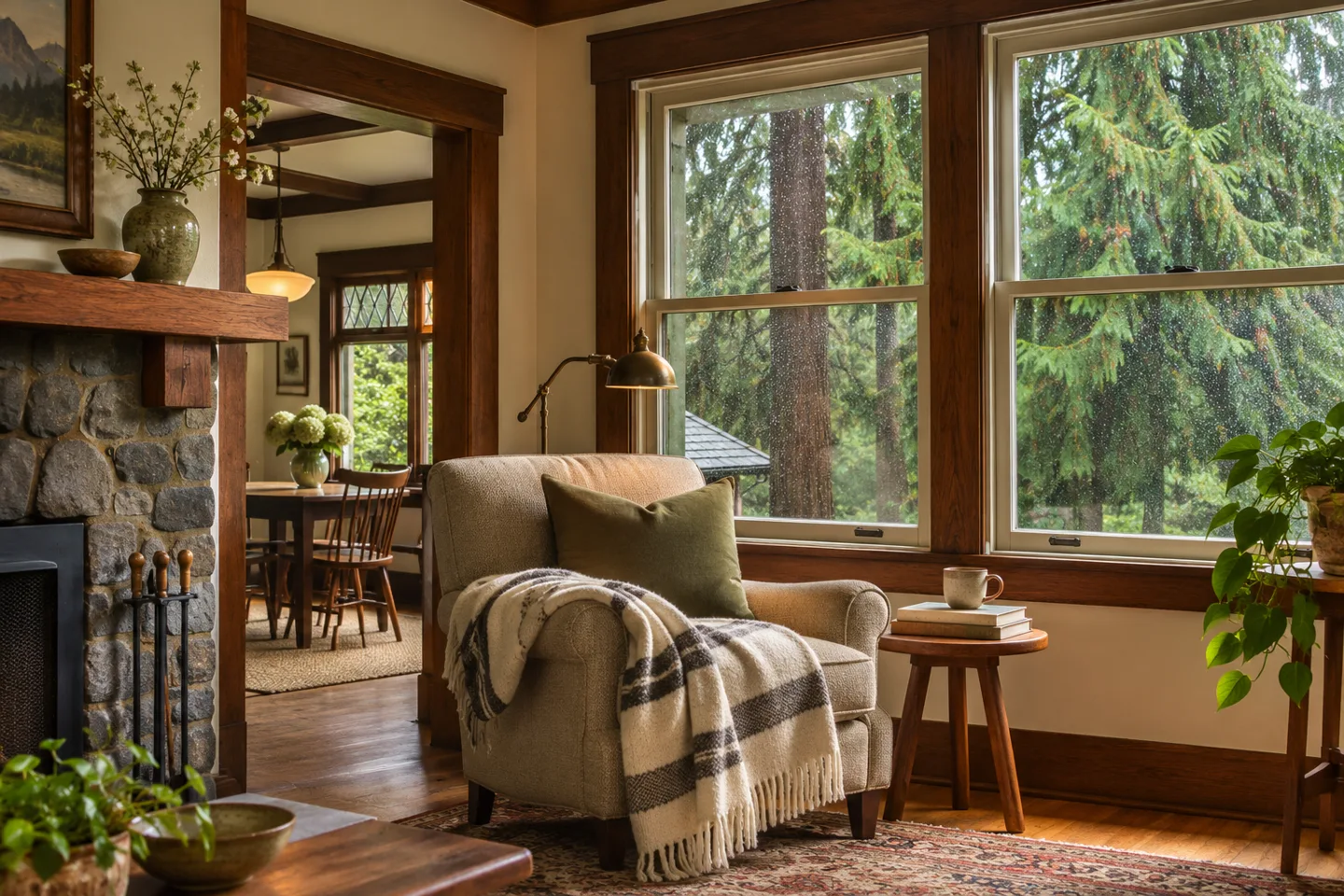
A cold room can have several causes. You might feel air moving around a door, cold near a large window, or a temperature difference between floors. Note where and when the problem happens before choosing an upgrade. That makes it easier to separate a room-specific issue from something affecting the whole house.
Get specific about the symptoms
Walk through the home on a cold or windy day. Write down which rooms are affected, whether the discomfort is constant, and where you’ve noticed drafts or condensation. Share photos of recurring damp spots with a qualified professional so those can be investigated before you cover them up.
Review how the house handles air, heat and moisture
Air leaks can make rooms feel drafty. Insulation helps limit heat loss, while ventilation helps manage indoor air and moisture. These systems work together. An energy advisor or qualified building professional can help determine where improvements are likely to make a difference and what should be considered together.
Use the renovation to plan the order of work
If walls, ceilings or floors are already being opened, ask what can be inspected or improved while they’re accessible. Coordinate insulation, air sealing and ventilation decisions with the rest of the scope. If you’re also considering a new heating system, discuss how planned changes to the house may affect the equipment decision.